Executive Governance Context
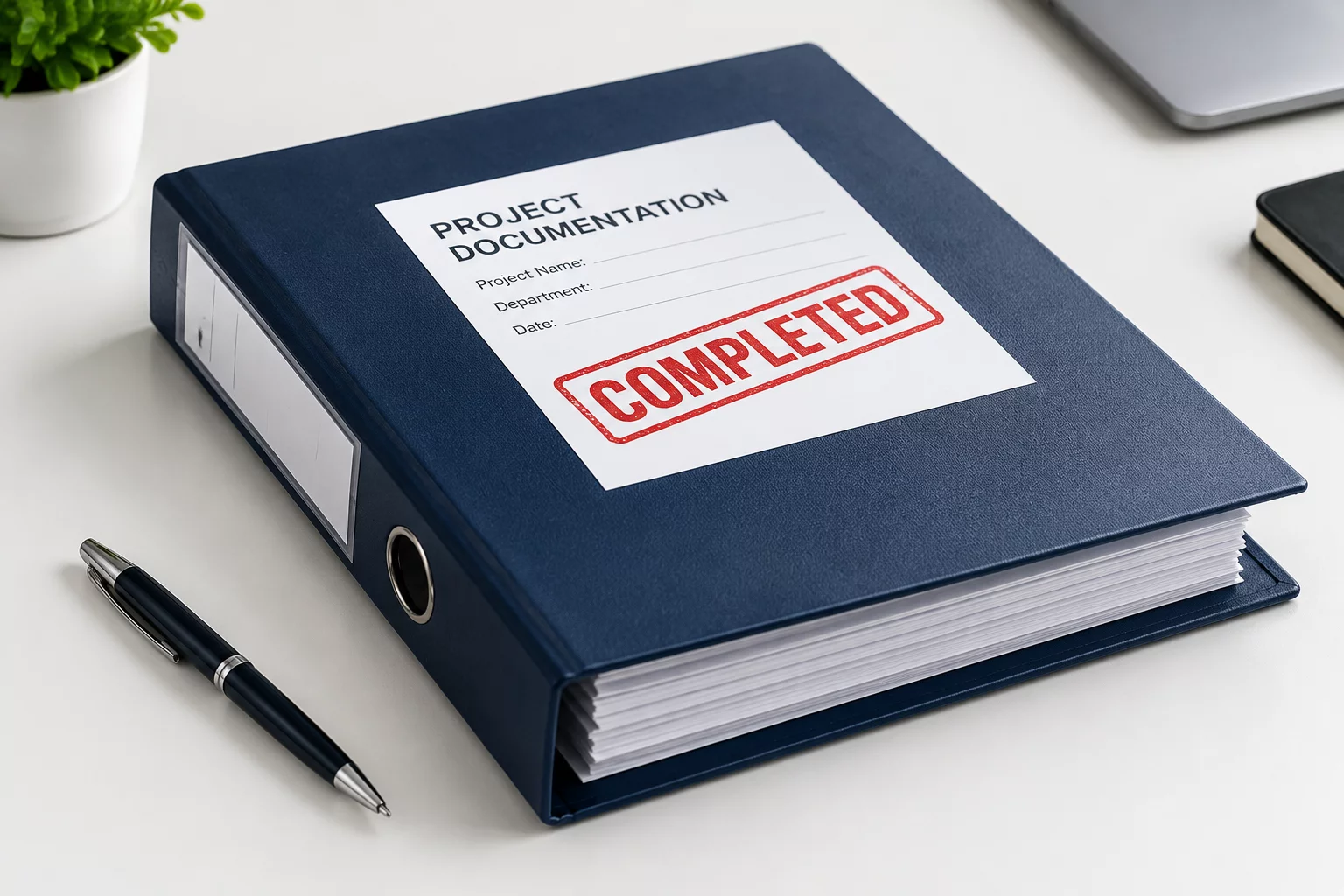
When an operational initiative concludes, its digital workspace does not simply vanish. Without explicit storage stewardship, dynamic folders become unmanaged digital landfills. Formal project closeout demands an immediate change in access privileges, structural validation, and clear ownership reassignment.
The Operational Reality of Post-Project Storage
During an active project, team members create, revise, and exchange hundreds of documents daily. Shared storage volumes expand rapidly with working drafts, raw analytics, temporary staging dumps, and contractor exports. Everyone works under the assumption of shared urgency, meaning strict folder cleanliness often takes a backseat to delivery deadlines.
Once the project finishes and deliverables receive sign-off, the working group quickly disperses to new assignments. The files, however, remain on tier-one primary network shares. Left unattended, these directories accumulate digital dust, occupy high-performance storage, and create significant governance liabilities as permissions become obsolete.
Stewardship Rule of Accountability
Every completed project must formally transition data stewardship from dynamic delivery teams to designated archival custodians or departmental records officers before repository archiving.
Structural Transitions from Active to Archival Status
Closing a project changes the fundamental nature of data from mutable operational assets to static historical records. This milestone requires an immediate storage ownership review. System administrators and project managers must coordinate a structured series of technical transformations to preserve institutional memory while minimizing exposure.
Pre-Cleanup Discovery Workflow
- Isolate working drafts from final production deliverables across all folder tiers.
- Identify and remove transient binaries, local VM images, and scratch export files.
- Audit contractor access tokens and immediately revoke external vendor privileges.
Custodian Assignment Checklist
- Designate a permanent business unit custodian to handle future data retrieval requests.
- Formally transfer directory ownership from the departing project lead to the department head.
- Log custodian assignments and contact details within the centralized governance ledger.
Data Sunset & Read-Only Freeze
- Apply an immediate write-lock across all directory trees to enforce read-only status.
- Establish retention countdown triggers for migration into secondary cold-storage tiers.
- Document regulatory holding periods before scheduling automated repository deletion.
Enforcing Shared-Folder Responsibility and Lifecycle Rules
Without clear rules, project repositories linger in active production volumes indefinitely. When shared-folder responsibility is integrated into standard project management methodology, closeout checklists require explicit sign-off on data states. The project cannot officially close until the directory structure is audited, deduplicated, and placed into an enforced archival policy.
Adopting regular review cycles ensures that organization-wide storage footprints remain predictable. Archiving completed project data releases valuable high-speed SAN and NVMe storage for upcoming active initiatives, preventing costly hardware expansions and eliminating the risk of zombie data sprawl across enterprise infrastructure.
Core Governance Takeaways
- Project completion must immediately trigger a switch from dynamic read-write access to an immutable, read-only archival configuration.
- Long-term storage stewardship must transfer from transient project staff to permanent departmental custodians recorded in the governance ledger.
- Tier-one shared storage must be freed by migrating documented project archives to cold secondary repositories within 90 days of project sign-off.